
Introduction to Machu Picchu
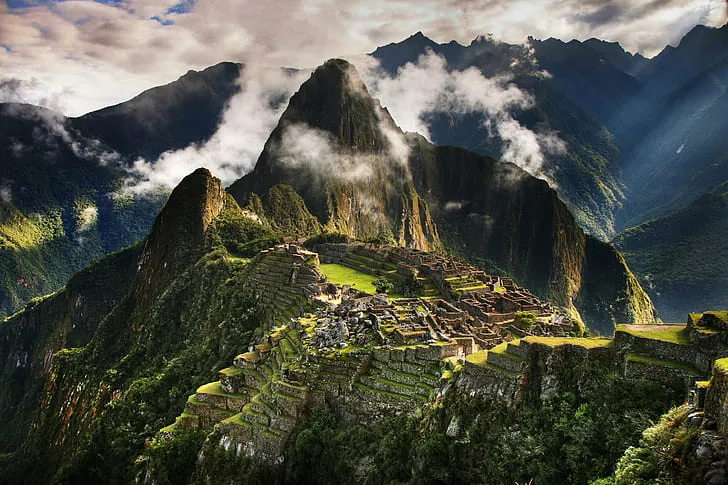
Perched high in the rugged peaks of the Andes Mountains, Machu Picchu stands as one of the most iconic and mysterious archaeological sites in the world. This ancient Incan city, hidden for centuries from the outside world, continues to fascinate travelers, historians, and archaeologists alike. With its breathtaking scenery, intricate stonework, and cultural depth, Machu Picchu represents a remarkable achievement of human civilization.
Historical Background
Machu Picchu was constructed in the 15th century during the reign of the Inca Empire. Built at an altitude of approximately 2,430 meters (7,970 feet), the site reflects the Incas’ advanced knowledge of engineering, agriculture, and astronomy. Massive stone blocks were carefully carved and fitted together without mortar, a technique that has allowed the structures to withstand earthquakes and harsh environmental conditions.
Although the exact purpose of Machu Picchu remains uncertain, historians believe it may have served as a royal estate, a religious sanctuary, or a strategic retreat for Inca rulers. Its remote location likely contributed to its preservation, as it was never discovered by Spanish conquistadors during their conquest of the region.
Rediscovery and Global Recognition
The modern world first learned about Machu Picchu in 1911, when American explorer Hiram Bingham brought the site to international attention. His expedition revealed the ruins hidden beneath dense vegetation, sparking global interest and extensive research.
Today, Machu Picchu is recognized as a UNESCO World Heritage Site and one of the New Seven Wonders of the World. It attracts millions of visitors each year, making it one of the most important cultural and турист attractions in South America.
Architectural and Engineering Marvel
One of the most impressive aspects of Machu Picchu is its architectural brilliance. The city is divided into two main sections: the agricultural terraces and the urban area. The terraces were designed to prevent soil erosion and support crop cultivation, demonstrating the Incas’ sophisticated understanding of farming in mountainous terrain.
The urban sector includes temples, plazas, and residential structures. Notable features such as the Temple of the Sun and the Intihuatana stone highlight the Incas’ deep connection to astronomy and spirituality. The precision of the stonework, often described as seamless, continues to puzzle experts and showcases the ingenuity of Inca craftsmanship.
Natural Beauty and Surroundings
Machu Picchu is not only a historical treasure but also a masterpiece. Surrounded by lush greenery and towering peaks, the site offers stunning panoramic views that enhance its mystique. The region is part of a diverse ecosystem that includes cloud forests, rivers, and unique wildlife.
The nearby Huayna Picchu rises dramatically behind the ruins, providing a striking backdrop and an opportunity for adventurous visitors to hike and enjoy breathtaking vistas. The combination of natural beauty and ancient architecture creates an atmosphere that is both serene and awe-inspiring.
Cultural Significance
Machu Picchu holds deep cultural importance for Peru and the broader Andean region. It represents the legacy of the Inca civilization, which once dominated much of western South America. The site reflects the Incas’ ability to live in harmony with nature, integrating their structures seamlessly into the landscape.
Local Quechua communities, descendants of the Incas, continue to preserve traditions and cultural practices that connect them to this historic heritage. Visiting Machu Picchu provides an opportunity to learn about these traditions and gain insight into a living culture that has endured for centuries.
Tourism and Accessibility
Reaching Machu Picchu typically involves traveling through Cusco, the former capital of the Inca Empire. From there, visitors can take a train to Aguas Calientes or embark on trekking routes such as the Inca Trail.
Tourism plays a vital role in the local economy, but it also presents challenges in terms of preservation. To protect the site, the Peruvian government has implemented strict regulations, including limits on daily visitors and designated pathways for exploration.
Best Time to Visit
The ideal time to visit Machu Picchu is during the dry season, from May to September. During these months, the weather is generally clear, providing excellent visibility and комфорт conditions for exploring the site.
The rainy season, from November to March, brings fewer tourists and lush landscapes, but also increased chances of slippery trails. Each season offers a unique experience, depending on traveler preferences.
Preservation and Sustainability
Preserving Machu Picchu is a global priority. Efforts are being made to balance tourism with conservation, ensuring that the site remains intact for future generations. Visitors are encouraged to follow guidelines, respect the environment, and avoid damaging the structures.
Sustainable tourism practices, including supporting local communities and minimizing environmental impact, play a crucial role in maintaining the integrity of this world-famous site.
Conclusion
Machu Picchu is more than just an archaeological site; it is a symbol of human achievement, cultural heritage, and beauty. From its mysterious origins to its breathtaking location in the Andes, it continues to inspire awe and curiosity in all who visit.
Exploring Machu Picchu offers a unique opportunity to step back in time and connect with a civilization that mastered the art of living in harmony with nature. It is a destination that leaves a lasting impression, reminding us of the richness of history and the enduring power of discovery.
FAQ
What is Machu Picchu famous for?
Machu Picchu is famous for being a well-preserved Incan citadel, known for its advanced architecture, historical significance, and stunning mountain setting.
Where is Machu Picchu located?
It is located in Peru, high in the Andes Mountains above the Sacred Valley.
Who built Machu Picchu?
It was built by the Inca civilization during the 15th century.
How can I visit Machu Picchu?
You can reach it via train from Cusco to Aguas Calientes or by hiking routes such as the Inca Trail.
Is Machu Picchu safe for tourists?
Yes, it is generally safe, but visitors should follow guidelines and be cautious of altitude and terrain.
Do I need tickets in advance?
Yes, tickets should be booked in advance due to limited daily visitor numbers.
Can I visit Machu Picchu year-round?
Yes, it is open throughout the year, though weather conditions vary by season.
