
Vietnam is a land of vibrant traditions, spiritual depth, and joyous street celebrations. Each month brings a new reason to explore—from ancient temple rituals to lantern-lit streets and modern fireworks spectacles. Whether you’re booking a Vietnam tour package or crafting your own adventure, tracking the Festivals In Vietnam calendar gives you a rhythm to plan around.
January–February: Lunar New Year and Spring Music
The year kicks off with Tết, the Lunar New Year, typically in late January or early February. It’s the most important festival in Vietnam, when families gather, homes glow with red decorations, and fireworks sparkle over Hoàn Kiếm Lake and other city squares. Many attractions may be closed, but temples, street markets, floral stalls, and pop-up orchestras form a festive backdrop. Travelers often head to Hanoi’s Old Quarter, the flower markets of Nhật Tân or Quảng Bá, and local temples for blessings and shows.
Shortly after comes the Gióng Festival in Sóc Sơn near Hanoi, celebrated around February 3–5. This spectacular event features dramatic processions honoring the mythical hero Saint Gióng. Expect horse‑costumed dancers, folk music, and dramatic reenactments of his victory over invaders.
Then, the Lim Festival in Bac Ninh—around February 9–11—fills the air with traditional quan họ singing duets. Men and women in traditional costumes serenade each other in communal houses and on dragon boats, accompanied by folk games and local crafts. It’s UNESCO‑recognised and makes for an unforgettable cultural experience.
March–April: Pilgrimage and Royal Heritage
From early spring until April, pilgrims journey to the Perfume Pagoda near Hanoi. Travelers drift by boat along the Yen Stream, hike through limestone cliffs to the Huong Tich Cave and offer prayers for happiness and prosperity. The busiest period is February and March, but the ceremonies continue through April.
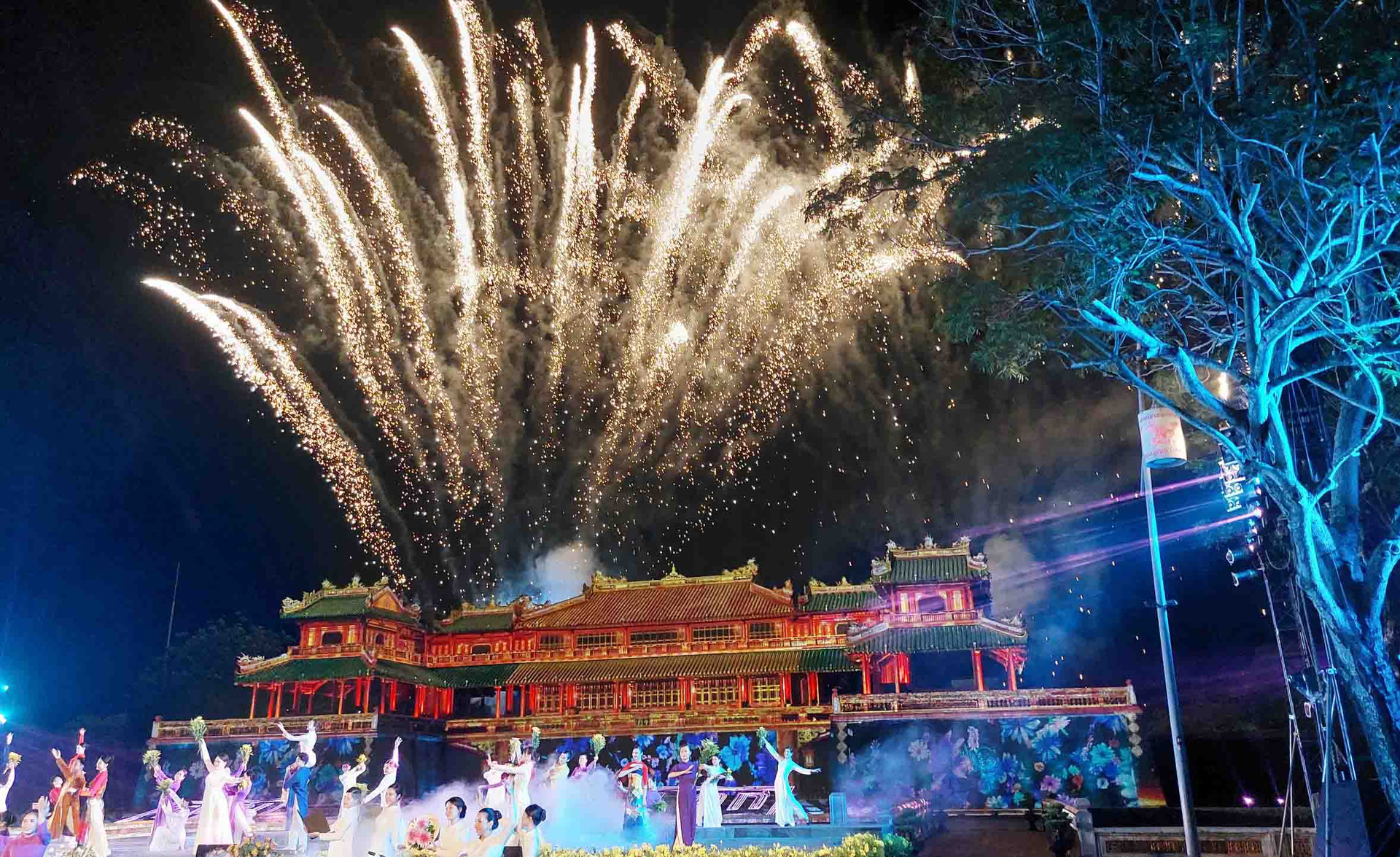
Late March into early April brings the Hội Hoa Lư (Hoa Lư Festival) in Ninh Bình and the Hue Festival in the former imperial capital of Huế. Hoa Lư includes historical processions honoring early dynasties, vivid costumes, and ancestral rituals. The Hue Festival is a week-long grand cultural showcase, with royal ceremonies, traditional music, international performances, ao dai fashion shows, and street art across the Citadel.
Around April 7 (10th day of the third lunar month) is Hùng Kings’ Temple Festival in Phú Thọ Province. It’s a solemn national holiday commemorating Vietnam’s legendary founding kings. Pilgrims ascend pilgrimage routes, incense is offered, and dragon dances light up the temple grounds.
May–June: Spiritual Reflection and Fireworks
In early May, the country celebrates Buddha’s Birthday at temples across Vietnam, with parades, offerings, and colourful decorations. Hoi An and Ninh Bình often host especially vibrant celebrations, including monk processions and temple performances.
Beginning at the end of April through early May, Reunification Day (April 30) and International Labor Day (May 1) bring parades, concerts, and fireworks in Hanoi, Ho Chi Minh City, Da Nang, and other major cities. In 2025 there were especially notable commemorations of the 50th anniversary, including a massive drone light show in Ho Chi Minh City (though the public display was later canceled due to timing complications).
Following that, June into July offers the Da Nang International Fireworks Festival, a dazzling competition between international teams. Displays light the night sky over the Han River, and street carnivals, live music, and cultural programming run alongside it. Iconic spots like Han River Bridge and cruise boats on the riverfront offer ideal viewing.
August–September: Honouring Ancestors and Moonlit Festivities
As summer wanes, the Vu Lan (Ghost Festival) arrives on the 15th day of the seventh lunar month (late August or early September). Often observed quietly in cities like Huế and Da Nang, families offer prayers, light lanterns by riverbanks, and burn paper offerings to honour deceased loved ones. It’s a deeply emotional festival balancing reverence and serenity.
In September, the Mid-Autumn Festival (Tết Trung Thu) transforms neighborhoods into magic. Children carry star‑shaped lanterns, lion dances weave through streets, and mooncakes and teas are shared under harvest moons. Hoi An Ancient Town and Hanoi’s Old Quarter glow with lanterns and family gatherings.
October–November: Ethnic Heritage and Lantern Magic
October brings the Kate Festival, rooted in Cham culture, with epic gong music, traditional dances, and ceremonies held at ancient Cham towers in Ninh Thuận and Đắk Lắk. It’s one of the most immersive ethnic festivals in Vietnam.
Also in October is the Buckwheat Flower Festival across Ha Giang province. As pink‑white buckwheat blossoms carpet the highlands, local performances, traditional foods, and markets create an atmospheric celebration of highland culture.
Throughout many months, Hoi An hosts its famous Full Moon Lantern Festival on the 14th night of each lunar month. Streets go dark except for candle lanterns; locals and visitors join in games, music, poetry readings, and passive walks through an illuminated ancient town. October’s Full Moon coincides with the Mid‑Autumn sky for dramatic effect.
December: Harvest Rituals and Year‑End Celebrations
As autumn gives way to winter, the Ok Om Bók (Oóc Om Bóc) Festival lights up Khmer communities in the Mekong Delta (especially Sóc Trăng). Held on the 14th day of the 10th lunar month, this is a lively harvest festival featuring moon‑worship rituals, boat races on rivers, drumming, singing, and colourful processions.
In city centers, December brings festive spirit with Christmas markets, light‑shows, and New Year’s Eve gatherings. Major cities like Ho Chi Minh City, Hanoi, and Da Lat mark December 31 with countdown concerts, street fireworks, and joyful crowds. Some regions—like Da Lat—host spectacular flower festivals and drone‑enhanced displays that spill into the midnight hour.
Why Plan a Trip Around These Events?
A thoughtfully curated Vietnam tour package that aligns with these cultural milestones offers layers of meaning beyond scenery—it’s a chance to witness living history. Whether it’s serenading folk singers in Lim, ancestral river lanterns in Hoi An, imperial processions in Huế, or firework festivals in Da Nang, every celebration reveals traditions woven into Vietnam’s soul.
Frequently Asked Questions (FAQs)
Q: When is the best time to experience both natural beauty and cultural festivals in Vietnam?
Try April or May—cooler weather makes outdoor festivals more pleasant. You can attend Hue Festival, perfumed pilgrimages, Hung Kings’ ceremonies, and then enjoy city parades and fireworks around Reunification Day.
Q: I’m booking a Vietnam tour package—will festival crowds make travel difficult?
Festivals draw big local and tourist crowds, especially for Tết, Lim, and Da Nang fireworks. But organized tours often include early booking for hotels and local transport, plus expert tips to avoid long lines. Stay in smaller towns just outside city centres to save on lodging while still attending events.
Q: Is it okay to photograph people during these festivals?
In general, yes but approach with respect. At folk festivals like Lim or Kate, ask permission before snapping portraits. Monks and pilgrims are usually happy to oblige, but avoid flash photography during rituals, and dress modestly at spiritual sites.
Q: Are these festivals accessible if I don’t speak Vietnamese?
Yes—popular festivals like Lim, Hue, Mid‑Autumn, Da Nang Fireworks, and Perfume Pagoda provide English signs or help. Local guides, tour groups, and well‑signposted venues make them accessible for travelers. Smaller ethnic festivals like Kate or Hoa Lư benefit from a guide or local interpreter.
Q: If I can only travel in one season, what’s the highlight festival I should not miss?
Tết offers unmatched energy and symbolism, but logistics can be tricky. If that’s too intense, Mid‑Autumn in Hoi An or the Da Nang Fireworks Festival deliver enchantment and spectacle without the crowds of the Lunar New Year.
Final Thoughts
From early‑morning temple pilgrimages to moonlit lantern processions, Vietnam’s festival calendar invites you to celebrate with its people through centuries‑old customs and modern surprises alike. Pairing a Vietnam tour package with key festival dates—while letting space for spontaneous local discoveries—brings a travel experience rich in culture, heritage, and unforgettable stories.
