
Winter in the Yukon is not empty. It is simply quieter. The forest is hushed under fresh snow, animal tracks stitch across frozen lakes, and after dark the sky can suddenly ripple with green light. If you want to experience all of that in a short trip, a Snowshoeing, Wildlife Viewing and Aurora Viewing Program Yukon (4 days) offers a beautifully balanced way to do it.
This guide explains what such a program usually includes, how the days can unfold, when to go, and how to dress and prepare so the cold becomes part of the fun instead of a problem.
Why This Combination Works So Well
Snowshoeing, wildlife watching, and aurora viewing share one big strength: they all reward slowing down. You move gently through the snow, you look carefully for signs of life, and you wait patiently for the sky to wake up. None of these requires speed, special athletic skill, or a long list of previous experience.
The Yukon is a natural home for this kind of trip. It has deep snow cover, wide-open wilderness, low light pollution, and a calm winter atmosphere that makes even a short walk feel like an expedition. Whitehorse, the territory’s capital, serves as an easy base with an airport, hotels, restaurants, and quick access to quiet trails and dark-sky locations.
What a Four-Day Program Usually Includes
Details differ between operators, but most Snowshoeing, Wildlife Viewing and Aurora Viewing Program Yukon (4 days) packages offer a mix like this:
-
Guided snowshoe outings on gentle forest trails, frozen lakes, or river banks
-
Wildlife viewing at a preserve or in the wild, with guides who read tracks and habitat
-
Two or three aurora evenings, often with a heated shelter, tipi, or cabin
-
Winter clothing and snowshoe rental on many programs
-
Hotel or lodge accommodation, usually in or near Whitehorse
-
Transfers, hot drinks, and snacks, with some meals depending on the package
Because winter days are short and nights are long, good operators plan activities around daylight and save the late hours for the sky.
A Sample Four-Day Itinerary
Here is a typical outline. Treat it as an example, because real programs change with season, snow, and weather.
Day 1: Arrive in Whitehorse. After checking in and collecting any rental gear, take a short, easy walk to get used to the cold. Enjoy an early dinner. If the forecast looks promising, a guide may take you out for a first aurora session after dark. If not, rest up, because the next two days are fuller.
Day 2: Snowshoeing and a quiet forest. Strap on your snowshoes and head into the boreal forest with a guide. Learn the basics, such as stride, balance, and how to move on gentle slopes. Along the way you will notice tiny details: snow-laden spruce, the squeak of cold snow, tracks of hares or foxes crossing the trail. After a warm lunch, you might soak in a hot spring or relax by a woodstove. In the evening, drive to a dark-sky viewing site for the main aurora night.
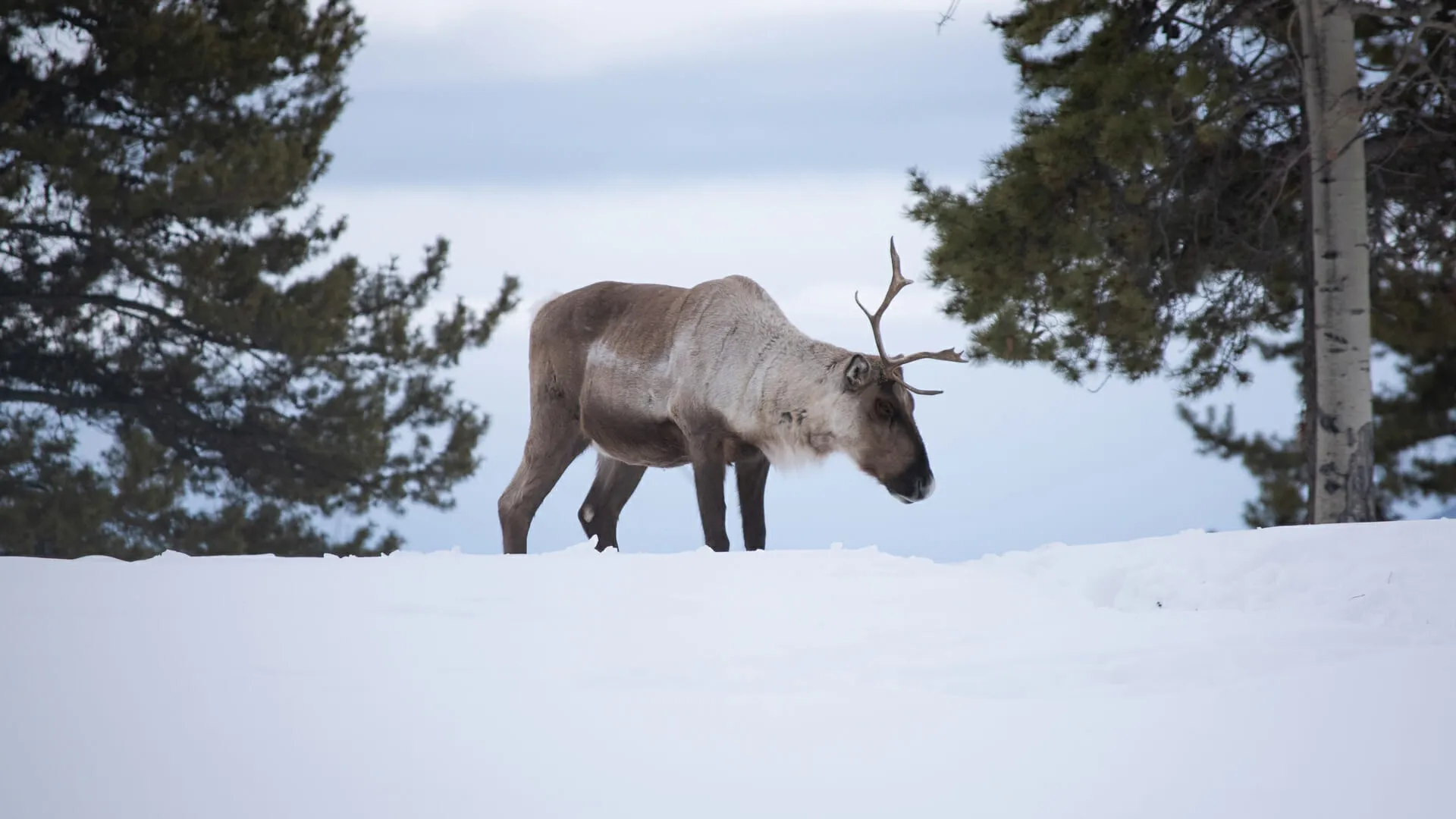
Day 3: Wildlife day. Visit a wildlife preserve or join a guided outing aimed at winter animals. Depending on where you go, you may see muskox, caribou, elk, or lynx in large natural enclosures, or learn to identify tracks and signs in the wild. Ravens, chickadees, and ptarmigan often appear near trails. Return for dinner and take one more aurora session if the sky cooperates.
Day 4: A gentle goodbye. Sleep in, eat a slow breakfast, and enjoy a last short walk along the Yukon River or a visit to a cafe or gallery. Depending on your flight, you may have a few spare hours before heading to the airport.
A flexible program is a good program. If clouds roll in, guides can swap days to match clearer weather.
Understanding Winter Wildlife in the Yukon
Winter wildlife viewing is different from summer. Many animals are less visible, and some, like bears, are hibernating. That does not mean there is nothing to see. In fact, winter offers a unique advantage: snow records everything. Tracks reveal who passed through, how fast they moved, and sometimes what they were hunting.
Possible sightings include:
-
Moose browsing along willow-lined waterways
-
Foxes, snowshoe hares, and other small mammals, or at least their tracks
-
Ravens, ptarmigan, chickadees, and other hardy birds
-
Larger species such as muskox, caribou, and lynx in managed preserves
A good guide will explain honestly that wild sightings are never guaranteed. Preserve visits help improve your odds of seeing northern species up close. Always keep a respectful distance, never feed animals, and follow every safety instruction.
The Aurora Experience, Honestly Explained
The northern lights are natural and unpredictable, so no program can promise them. Cloud cover and solar activity decide the show. What a four-day trip does give you is several chances, plus a guide who knows how to find clearer skies.
To the naked eye, the aurora often starts as a pale gray or green arc. If activity builds, it may brighten into curtains, spirals, or sudden pulses of color, sometimes with pink or purple edges. Cameras gather more light than eyes, so photos usually look more vivid than real life. Even so, standing in silence under a moving sky is something many people remember for years.
Tips for aurora nights:
-
Let your eyes adjust to darkness for 15 to 20 minutes
-
Check the cloud forecast each evening
-
Dress for standing still, which feels much colder than walking
-
Bring a hot drink and a warm seat pad
-
Put the camera down now and then and simply look
The Best Time to Go
Winter programs generally run from late November through March, though exact dates depend on snow and operator schedules.
Late November and early December. Early winter with fewer visitors, growing darkness, and a fresh snowy look.
December and January. The coldest and darkest period. Daylight is brief, but the long nights are great for aurora hunting. Dress warmly, because temperatures can drop well below freezing.
February. Many travelers consider this the sweet spot, with longer days, stable snow, and still-active northern lights.
March. Brighter days and slightly milder temperatures, plus strong aurora activity around the equinox. A good balance for people who prefer a gentler winter.
If your dates are flexible, choose a trip near a new moon. A bright full moon can wash out fainter displays.
What to Wear and Bring
Staying warm is the secret to enjoying everything else. Dress in layers and prioritize insulation over style.
-
Insulated, waterproof boots rated for low temperatures
-
Wool or synthetic base layers, never cotton
-
A warm fleece mid-layer and a heavy winter parka
-
Insulated pants, a hat that covers your ears, and a neck gaiter
-
Liner gloves with insulated mittens
-
Hand and toe warmers
-
Sunglasses for bright snow
-
Lip balm and moisturizer, since the air is very dry
-
A spare camera battery kept warm in an inner pocket
Many operators lend winter gear, so check before packing. If you wear glasses, consider an anti-fog solution, since cold and warm air can cloud lenses quickly.
Is Snowshoeing Difficult?
Not at all. If you can walk, you can snowshoe. The gear is simple, the pace is relaxed, and trails are usually gentle. The main challenge is staying warm, not staying balanced. Guides adjust the distance and speed to the group, and there is no pressure to keep up. Short breaks to look around are part of the experience.
How to Choose the Right Program
Before booking a Snowshoeing, Wildlife Viewing and Aurora Viewing Program Yukon (4 days), compare a few key factors:
-
Group size. Smaller groups are warmer, quieter, and better for wildlife.
-
Number of aurora nights. More nights mean better chances.
-
Heated shelters. A warm place to rest changes the whole experience.
-
Gear rental. Check whether clothing and snowshoes are included.
-
Flexibility. Look for operators who can reshuffle days around weather.
-
Rebooking policy. Ask what happens if the sky stays cloudy.
-
Guide experience. Local knowledge improves safety and your chances of memorable moments.
Frequently Asked Questions
Is four days enough for the northern lights?
It is a decent window. With two or three viewing nights, many travelers see at least some activity, though no one can guarantee it.
Do I need winter experience?
No. Guides explain everything, and most programs are designed for beginners.
How cold will it be?
Temperatures vary, but often sit well below freezing in midwinter. With proper layers, most people feel comfortable.
Is it suitable for older travelers or families?
Often yes, provided everyone dresses warmly and the activities match their ability. Ask about age and mobility guidelines.
Final Thoughts
A Snowshoeing, Wildlife Viewing and Aurora Viewing Program Yukon (4 days) is a gentle, memorable way to meet the north in winter. You move slowly through snow, learn to read the quiet signs of life, and finish your evenings beneath a sky that might glow without warning. Dress warmly, keep expectations flexible, and give yourself time simply to stand and look. In a place this still, that is often when the best moments arrive.
